

When the cards turn cold and the bankroll thins, most players start questioning their own play instead of the mathematics underneath. That reaction is understandable, but it misses the point: poker downswing variance is a structural feature of any card-based format, not a personal failure. I’ve spent fifteen years modelling slot volatility and payout simulations, and the same probability curves that govern reel spin distributions apply here too – only the human element makes the swings feel heavier. Before committing time or money, weigh what actually matters: game mix, bonus terms, payment speed, and whether the platform handles mobile play without friction. A little maths goes a long way when the arvo session turns patchy.
What the numbers actually tell you

Card and tile games often blur the line between skill and chance, which is exactly why downswings feel so personal when they hit. From a design perspective, I treat variance the same way I treat high-volatility slot builds: you map the distribution, set realistic drawdown limits, and never expect a smooth line. The short-term noise can easily swallow a solid strategy, especially on tighter table limits or video poker loops where the house edge compounds quietly. If you’re tracking results session by session, you’ll notice the curve dips far more often than intuition suggests. That’s not bad luck alone – it’s the distribution doing what it’s built to do. woo hoo casino
For players weighing a new platform, the maths behind the felt matters as much as the interface. A site that publishes clear game specs, stable RTP ranges, and transparent bonus wagering lets you model your own risk before you deposit. I’ve run enough simulations to know that a smooth mobile experience and predictable payment cycles reduce the temptation to chase losses, which is where most downswings turn expensive. When the layout loads properly and the navigation stays sensible on a phone, you’re less likely to make rushed calls between hands.
How to weigh your next move
Session limits and bankroll discipline
The first question to ask yourself is how much drawdown you can absorb without tilting. I always advise clients to treat a downswing like a volatility spike in a simulated payline model: define the tolerance upfront, then stick to it. If you’re playing a $25 buy-in table and the run goes cold for three sessions, the impulse to double stakes is exactly what turns a statistical dip into a real problem. Set a per-session stop, keep your buy-ins consistent, and log the results instead of reading them from memory. That discipline is boring, but it’s what separates a recoverable stretch from a blown balance.
A practical way to handle it looks like this: decide your maximum loss for the day, divide it into smaller buy-ins, and stop when the first chunk is gone. If you’re on the tools between sessions, review the hand history rather than refreshing the lobby. The goal isn’t to predict the next streak – it’s to keep the swing from dictating your next move.
Platform fit and mobile reality
The second question is whether the platform itself helps or hinders your decision-making. Mobile usability isn’t a nice-to-have anymore; if the browser version or app stutters on a phone, you’re playing with extra friction and slower info flow. I’ve seen enough specs and live tests to know that a responsive layout, clean navigation, and stable load times matter more than a flashy welcome screen when you’re mid-session. Payment clarity counts too: know the currencies, the processing window, and whether bonus wagering is written in plain terms before you commit. A site that feels busy as a Friday night lobby but still keeps the tables easy to reach is worth a closer look.
Dylan Hall, Marketing Director, Blue Mountains Interactive, puts it plainly: “Players who understand variance early tend to stick with clearer terms and steadier interfaces, because the numbers stop feeling personal.” That line of thinking lines up with what I’ve seen across simulations – the platforms that survive long-term are the ones that make the maths legible, not the ones that promise a quick rebound. Aaron Nelson, Strategy Director, Swan River Interactive, adds a caution worth hearing: “A smooth mobile build can mask poor game mix if you’re not checking the actual table selection, so treat responsiveness as a tool, not a verdict.” Matilda Lewis, Head of Live Casino, Koala Digital Group, notes that “live tables add their own rhythm to the swing, and the pace can either cool you down or rush you depending on how the room is built.”
Matching the platform to your play style
Once you’ve sorted your bankroll limits and checked the mobile fit, the remaining decision is about fit: does the game mix, bonus structure, and support style line up with how you actually play? If you prefer low-variance cash tables, a site stacked with high-volatility side games will feel mismatched no matter how polished it is. If you chase tournament action, look for clear schedule info, sensible rebuy rules, and support that answers without making you wait through a maze. Registration should be straightforward, loyalty rewards should be readable, and payments should behave the way they’re described. None of that removes variance, but it does remove avoidable friction when the run goes quiet.
When you’re comparing options, treat the welcome terms as part of the risk model, not as a bonus to chase. Read the wagering, note the currency, and check whether the same balance works smoothly on both browser and app. If a platform like woo hoo casino keeps the tables accessible and the mobile flow steady, it’s easier to stay disciplined through a cold patch rather than chasing it across a cluttered interface. The point is to pick a setup that lets you manage the swing, not one that makes the swing feel worse.
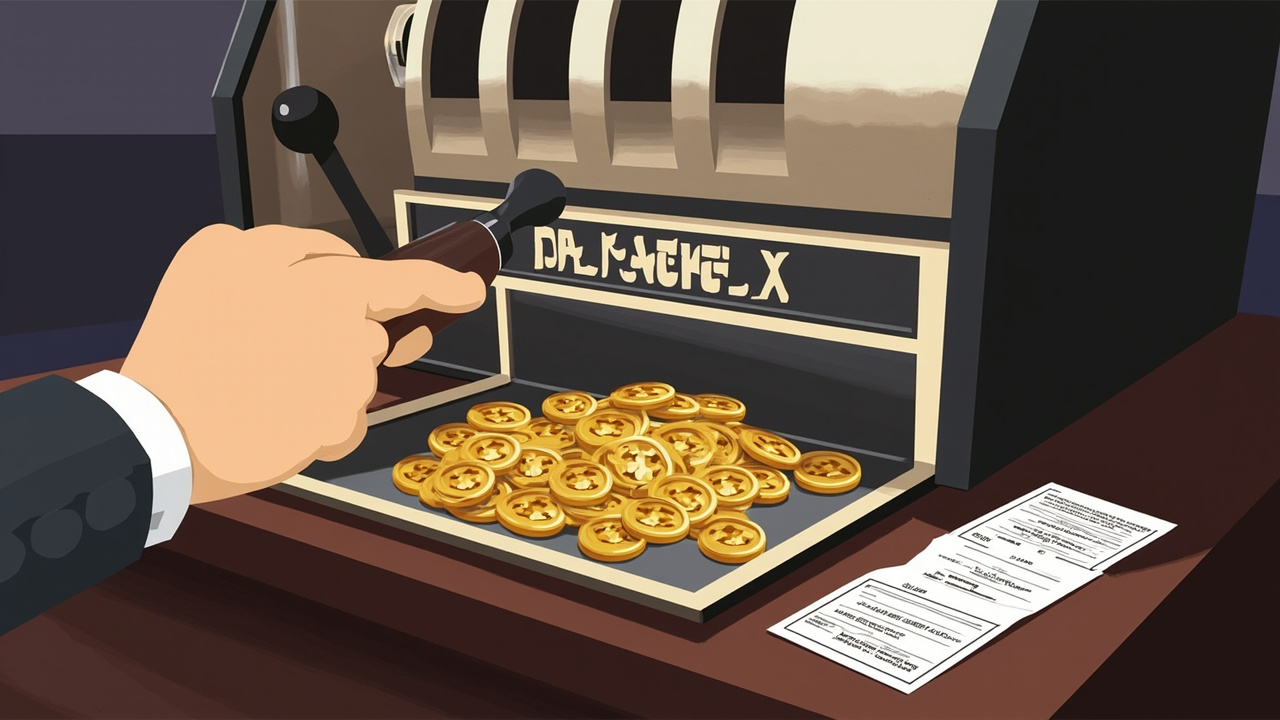
The short verdict: treat poker downswing variance as a known quantity, set your limits before the session, and choose a platform that keeps the maths, the mobile, and the terms readable. If the numbers, the interface, and your own discipline line up, the downswing stays a normal part of the game instead of a reason to overreach.