

Entering a live casino studio is the most direct most players will ever get to the felt of a real table without leaving home. These specially designed broadcasting environments are the core of the live gaming experience, merging physical casino equipment with high-definition streaming technology. Rather than depending on random number generators alone, live studios position a human dealer at the centre of the action, handling cards, spinning roulette wheels and announcing results in real time. For anyone used to animated digital games, the transition to a professionally produced live feed can feel equally familiar and unexpectedly personal. The camera films every gesture, every shuffle and every ball drop without modifying or delay, building a transparent theatre where scepticism about fairness begins to disappear. This article details the hidden machinery, the staffing, the game formats and the quality markers that turn a nondescript broadcast room into a credible live gaming destination.
What Specifically Is a Live Casino Studio?
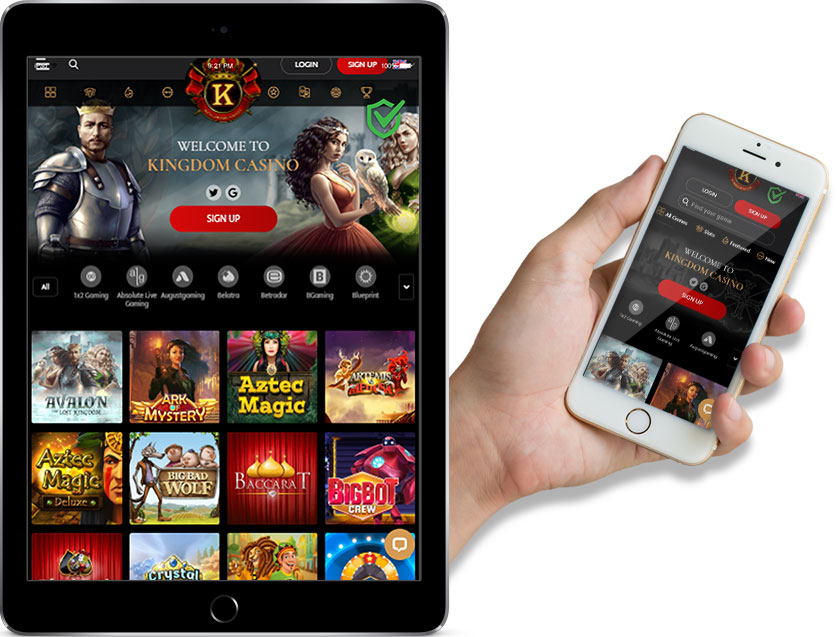
A live casino studio is certainly not a repurposed office corner with a few cameras. It is a dedicated, climate-controlled facility built from the ground up to replicate the look and sound of a premium land-based casino floor. Walls are acoustically treated to remove echo, lighting rigs are calibrated to remove shadows from the playing surface, and every table sits on a slightly elevated platform so camera angles obtain clean, uninterrupted views. The studio floor is typically segmented into distinct zones, each themed around a specific game type such as roulette, blackjack or baccarat. Behind the scenes, a control gallery holds directors, sound engineers and server technicians who toggle video feeds, balance audio levels and monitor latency. For brands like Casino Kingdom, the studio becomes a digital storefront where players step into a branded lobby and are instantly seated at a table that feels physically present yet exists in a strictly controlled broadcast environment. official site
Studio design also addresses something less obvious: psychological immersion. The background decor often echoes opulent casino architecture, with softly glowing chandeliers, plush curtains and leather-upholstered chairs visible in the periphery. This is intentional sensory framing. When a player sees a well-dressed dealer standing against a backdrop that evokes an exclusive club, the perceived value of the game increases. Audio performs a similar role. Subtle ambient sounds such as the gentle hum of conversation, the soft click of chips or the distant spin of a roulette wheel are layered beneath the dealer’s voice to generate a three-dimensional soundscape. Even on a smartphone screen, the effect can be powerful enough to fade the line between a digital stream and a physical venue, which is precisely what studio architects seek to achieve.
The Function of Skilled Dealers and Presenters
Real dealers are the visible presence of the setup and undoubtedly the most significant factor in player loyalty. They are recruited not just for their technical competence at handling or chip control but for their on-screen demeanor, language proficiency and ability to manage the tempo of a session that unfolds in front of a mute, invisible audience. Instruction courses usually run for several weeks and include far greater than rule memorization. Trainees are instructed how to arrange their fingers so the overhead camera never blocks a card, how to hold consistent eye contact with a lens rather than peeking around the room, and how to express friendliness without slipping into repetitive small talk. A experienced dealer understands the virtual environment, adjusting the tempo of the session during active betting periods and slowing it down when chat activity suggests players desire a moment of communication.
Aside from technical flair, dealers perform a delicate but essential regulatory role. Their visibility on camera is a ongoing visual confirmation that results are not being produced by a secret algorithm. Every time a operator spins a roulette ball or draws a card from a shoe, that move is timestamped, archived and subject to scrutiny by licensing bodies. This clarity is specifically important for blackjack and baccarat sessions, where card numbers must be visibly discernible. Many studios now also employ game presenters who do not handle cards but host game-show-style titles, adding narration and energy to formats that mix classic wagering with television entertainment. In all instances, the dealer’s expertise reflects straight on the site they stand for. When a player enters a branded area and observes a refined, eloquent dealer, the entire business feels more established and trustworthy, which is why studios invest heavily in talent searching and continuous coaching.
Game Selections and Stake Limits
Walk into a well-stocked live studio and the range on offer can match a medium-sized brick-and-mortar casino. Roulette usually forms the backbone, with European, French and sometimes American wheels rotating around the clock. Blackjack tables are frequently the most numerous, distributed across different rule sets, side bet options and even VIP pits where higher minimums attract a more exclusive crowd. Baccarat has a dedicated following, especially in the squeeze variants where the dealer slowly reveals card values, building suspense with deliberate, theatrical movements. Poker-based games include Casino Hold’em, Three Card Poker and Caribbean Stud, each presented on a custom table with clearly marked payout grids. Beyond these classics, studios have expanded into game-show territory with titles like Dream Catcher or Crazy Time, where a bright wheel and energetic host replace the traditional felt layout. These hybrid games merge entertainment and gambling, often offering multiplier segments that keep the chat lively.
Table limits are a practical filter that every player should understand before entering a live lobby. Studios typically run multiple instances of the same game with low, medium and high stakes clearly displayed. A standard blackjack table might take bets from a few dollars up to several hundred, while a VIP salon-style table may have a seat minimum that starts at one thousand and goes up from there. The spread is important because it influences the kind of player that is drawn to a particular table and, by extension, the pace and atmosphere of the game. Lower-limit tables tend to fill quickly and move faster, while high-limit rounds are frequently slower and more ceremonial. A transparent platform makes these distinctions straightforward to spot at a glance, showing buy-in ranges prominently before a seat is taken. Savvy players assess not just the game variant but also the betting band, guaranteeing the experience matches both their bankroll comfort and psychological appetite for risk.
Camera Arrays and Multi-Angle Perspectives
Live casino studios are, in many ways, miniature TV studios, and the camera configuration defines the visual storytelling. A common roulette table might employ four or five cameras: a establishing shot to frame the table environment, a close-up on the wheel itself, an overhead view looking straight down at the betting layout, a moving camera that can push in on a winning number and a stationary lens focused on the dealer’s upper body. The director toggles between these feeds based on game phase, switching to the overhead during the betting window so players can see chip placements clearly, then cutting to the wheel close-up as the ball loses momentum. This orchestration is usually automated by a production system that uses preset cues, but human directors still override manually when a sudden moment of drama demands it. The result is a broadcast that feels lively and never static, prompting players to stay engaged far longer than they would with a single fixed camera.
Multiple camera angles is not just cosmetic; it directly supports informed decision-making. A baccarat player viewing a squeeze may want the close-up angle that reveals the card’s pip just as the dealer bends the corner, while a roulette enthusiast prefers the sweeping overhead shot that shows the full spread of neighbour bets. The ability to toggle between angles or watch a PiP composite puts control in the viewer’s hands, turning a passive stream into an interactive tool. On mobile devices, where screen real estate is limited, studios often opt for the most information-rich angle and let players scroll to alternative views. The underlying video infrastructure must manage these simultaneous streams without buffering, so edge server caching and adaptive bitrate encoding are typical. When the technology becomes invisible, what remains is a smooth viewing experience that feels as natural as being at the rail of a physical table.
The Tech Driving Real-Time Play
Behind every smooth live stream sits a stack of technology that few players ever see. Optical character recognition (OCR) is the unsung workhorse. A small sensor embedded in the table reads every card drawn, every wheel pocket the ball settles into and every chip placement, instantly transforming physical actions into digital data. That data is pushed to the player’s interface so on-screen betting prompts, win animations and balance updates stay aligned with real-world events without any human logging results manually. The latency between what happens in the studio and what appears on a player’s screen is typically kept under one second, which requires dedicated fibre-optic lines and localised server clusters. Any drift beyond that threshold destroys the illusion of live play and breeds mistrust, so engineers obsess over packet routing and compression algorithms that favor visual clarity without adding delay.
Streaming hardware itself has progressed far beyond basic webcams. https://www.sportsnet.ca/nfl/video/why-the-seahawks-might-be-a-good-sleeper-bet-to-win-the-nfc/ Modern studios use cinematic-grade cameras equipped with large sensors that work well under the studio’s carefully controlled lighting. Lenses are selected for their ability to render close-up details without distortion, allowing players to zoom in on a roulette wheel’s fretwork or read the fine print on a playing card. Multiple feeds are merged through a vision mixer in the control room, allowing the director to cut seamlessly between a wide establishing shot, a tight angle on the dealer’s hands and a dedicated view of the roulette wheel. Some installations also include overhead rail cameras that glide silently above the table, contributing a production value that matches televised poker tournaments. The server architecture that sends these streams to thousands of concurrent viewers is built with redundancy at every layer, because a black screen during peak hours can undermine trust faster than any promotional campaign can rebuild it.
Equity, Safety and Supervisory Oversight
Confidence in a live studio does not depend on reputation alone; it is ensured by a framework of technical and regulatory protections. Every table is outfitted with RFID-enabled card shoes that track each card drawn, producing a digital fingerprint of the shoe’s composition that can be verified against the video archive. Roulette wheels undergo daily calibration with laser measurement tools that check rotor alignment, pocket depth and bias, and any deviation beyond a permitted tolerance immediately suspends play. These checks are often carried out by third-party testing agencies that issue compliance certificates accessible on the platform. In many jurisdictions, live studios must also submit to unannounced inspections where a regulator inspects the floor, reviews server logs and interviews pit managers. Cameras never stop rolling, and archive retention policies typically extend months or years, guaranteeing that every hand, spin or dice roll can be audited retrospectively if a dispute emerges.
Beyond equipment integrity, player data protection constitutes the second pillar of studio security. The stream itself is encrypted end-to-end, stopping interception of video feeds that could be used by advantage players or malicious actors. Betting transactions are tokenised so that personal financial details never travel through the studio’s local network. Dealers work under strict protocols that forbid personal electronic devices on the floor, and they are moved between tables on randomised schedules to deter collusion. For platforms that prioritise transparency, a dedicated page usually displays the licensing body, the third-party auditor and the date of the last compliance review. When those credentials are readily available, the studio evolves from a mysterious black box into a visibly accountable operation. For analytical players who compare platforms before depositing, the depth of publicly shared regulatory information often serves as the deciding factor between two otherwise similar live lobbies.
How to Judge a Live Studio Session
Evaluating a live studio before adding an account is a skill that goes beyond inspecting a flashy lobby casinokingdoms.ca. The primary sign is stream stability. Observing a table for ten minutes during peak evening hours shows if the feed buffers frequently, drops resolution or falls out of audio sync. A studio that struggles with a clean stream during the busiest window is skimping on bandwidth or server infrastructure. The second signal is dealer engagement. Even if no one looks for casino-worthy banter at every table, a dealer who mechanically recites scripted lines without acknowledging the chat panel suggests a studio culture that treats hosts as interchangeable parts. The best studios allow dealers to show personality, to address players personally when they tip and to handle the table with a lightness that seems organic rather than robotic. This human element is not something you can mimic and differentiates commodity streaming operations from genuinely inviting environments.
A further point to assess is lobby transparency. A well-run studio presents table occupancy, minimum and maximum bets, and the dealer’s name and language before a player clicks to enter. When a lobby requires a player to load a table just to discover that stakes are well above their comfort zone, the design betrays a lack of respect for the player’s time. Game history and roadmaps for baccarat, where available, should be easily accessible without navigating through nested menus. Finally, the deposit and withdrawal flow that surrounds the studio experience matters enormously. A player who finds a seat at a low-limit roulette table should be able to fund a session and claim the spot in under a minute. Laggy payment gateways and cumbersome verification steps break the immersive spell that the studio works so hard to cast. By treating the live studio as an ecosystem that spans from the camera lens to the cashier page, a pragmatic reviewer can quickly separate facilities built for sustained play from those that merely tick a marketing box.
At the end of the day, a live studio exists to serve two masters at once: the player who desires real casino atmosphere and the operator who demands a trustworthy, expandable game-delivery system. The tension between those priorities is what makes studio design so fascinating to dissect. When the engineering is right, the result seems smooth. Cards slide, wheels rotate and dealers grin, all while gigabytes of encrypted data cross a network that never draws attention to itself. A robust live lobby, such as the one cultivated by Casino Kingdom, shows that attention to detail across every layer, from acoustic treatment to dealer training, is not a luxury but a prerequisite. For players new to the format, understanding these basics takes away the mystique and substitutes it with a sharper appreciation for everything that must go smoothly, frame by frame, to deliver a genuine, seamless live game.